

AI Isn’t Failing - Your Adoption Strategy Is
“AI isn’t delivering what we thought it would”
The early excitement of AI has plateaued, the pilot projects are gathering dust, the platforms are still being paid for, yet not meaningfully used.
We are slowly starting to see the blame shift towards the technology itself, and that conclusion is wrong. AI isn’t failing, the adoption strategy is.
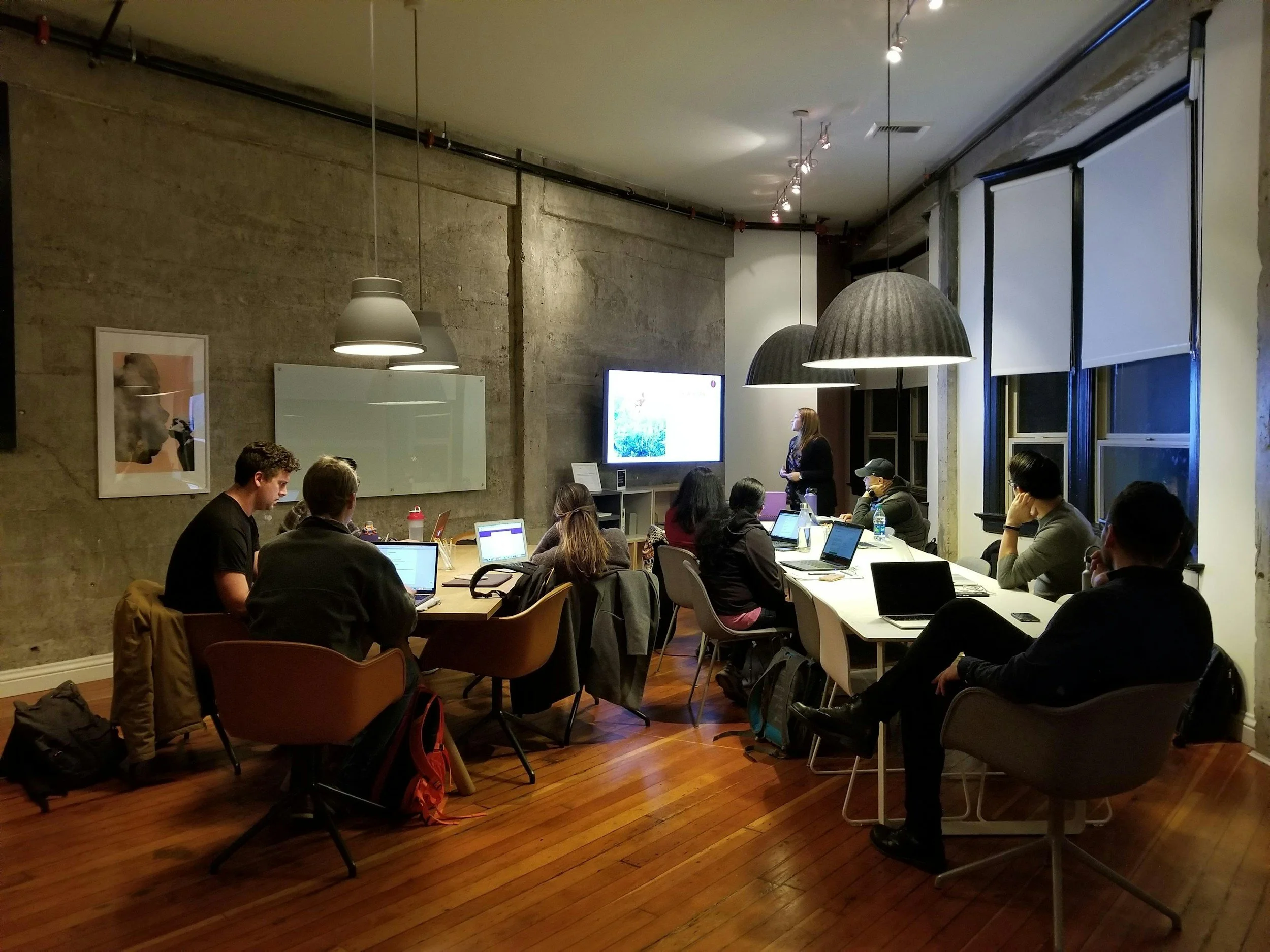
Most businesses moved quickly when AI hit the mainstream. They invested in tools, rolled out licenses, ran a few internal sessions, maybe even built it into their messaging or content strategy. On the surface, this looks like technical adoption.
On a more intrinsic level, very little actually changed, because access to technology doesn’t equal transformation - behaviour does.
Right now, most teams sit in this awkward middle ground. They know what AI is, they’ve probably experimented with it once or twice. They understand, in theory, how powerful it could be, but when it comes to actually using it in their day-to-day work, there’s hesitation.
They’re not quite confident enough, or not quite sure what “good” looks like, and not quite clear on how it fits into what they already do.
True to human form, people then fall back into the same patterns and processes that they’re used to, which isn’t necessarily wrong, but certainly not as efficient as things could be. Manual processes stay manual and workflows remain clunky and fragmented, and instead of being a platform that sits within a core of a business, AI sits on the periphery.

This is the real problem. Not a lack of tools or awareness, but a lack of integration and confidence.
Most adoption strategies completely miss this. Too many organisations start with the tools, but they don’t start with the problem they’re trying to solve, or the behaviour they’re trying to change.
So what you end up with is activity without impact.
Training doesn’t help much either - at least, not in the way it’s usually delivered. A single workshop might spark interest, but it doesn’t create lasting change. Without follow-up, without application, without embedding it into real workflows, people forget what they’ve learned, or worse, they never really use it at all.
Then there’s the biggest issue of all: AI is often treated like an add-on, something separate from how work actually happens. If it’s not built into the way people already work, it won’t become embedded internally.
What’s interesting is that AI doesn’t just highlight these problems - it amplifies them. It makes inefficiencies more obvious, it exposes unclear processes, it surfaces gaps in communication and decision-making. It shows businesses amd organisations, very quickly, where things aren’t working.
That’s why some businesses feel like AI isn’t delivering, but in reality, it’s holding up a mirror.

The organisations that are getting real value from AI are approaching it differently, they’re not chasing tools, they’re focusing on outcomes. They’re not running one-off training sessions, they’re supporting ongoing behaviour change. Crucially, they’re embedding AI into workflows so it becomes part of how work gets completed - not something separate from it.
They treat AI as a capability shift, not a technology rollout, and it is this distinction that matters more than most people realise.
Over the next couple of years, the gap between businesses will widen. Not based on who has access to AI, because almost everyone does, but based on who knows how to use it properly.
The ones who get it right will move faster, operate leaner, and make better decisions. The ones who don’t will feel like they’re constantly playing catch-up, without fully understanding why.

At MD Digital, we see this every day, which is why we’ve taken a different approach.
We don’t start with the tools. We start with the work, what people are doing, where time is being lost, where friction exists. Then we layer AI into that in a way that actually makes sense - practically, not theoretically.
It’s hands-on, it’s contextual, and it’s built around real implementation, because the goal isn’t just to get people using AI, it’s to help them work better because of it.
So if it feels like AI isn’t delivering in your organisation or business, it’s worth asking a different question.
Not “Is this the right tool?”, but “Have we actually set ourselves up to use it properly?”
The technology is already here, the real challenge is what you do with it.